Association of Bottle-Feeding and Maternal Behaviors with Early Childhood Caries among Preschool Children in Brack Al-Shatti, Libya: A Cross-Sectional Study
DOI:
https://doi.org/10.63318/waujpasv4i2_04Keywords:
Early Childhood Caries, Formula Bottle Feeding, Infant Feeding Practices, Maternal Behaviors, Oral Hygiene, Preschool Children, Dental Caries Risk FactorsAbstract
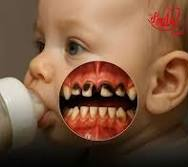
Early Childhood Caries (ECC) is one of the most prevalent chronic diseases among children worldwide. Its development is strongly associated with early-life behavioral and feeding practices, particularly bottle-feeding habits and maternal behaviors, which play a critical role in the initiation and progression of dental caries. This study aimed to estimate the prevalence of (ECC) and examine its association with bottle-feeding practices and maternal behaviors among children in Brack Al-Shatti, Libya. A cross-sectional study was conducted between October and December 2025 involving 224 mother-child pairs. Data were collected using a structured, pre-tested questionnaire assessing Baseline Characteristics of the Study Populations, infant feeding practices, and oral hygiene behaviors. Early childhood caries was assessed through visual oral examination conducted by trained personnel. Associations were evaluated using Chi-square tests and multivariable logistic regression analysis, with statistical significance set at p < 0.05. The overall prevalence of ECC was 55.4%. Bivariate analysis revealed significant associations with adding sugar/honey to formula (p = 0.002), maternal pre-tasting (p = 0.002), nocturnal bottle-feeding (p = 0.004), and pacifier use (p = 0.020). Multivariable analysis identified adding sugar/honey to formula as the strongest independent risk factor (AOR = 3.63; 95% CI: 1.42–9.27; p = 0.007), followed by maternal pre-tasting (AOR = 2.05; p = 0.025) and nocturnal bottle-feeding (AOR = 2.05; p = 0.048). Protective factors included cleaning bottles before use (AOR = 0.41; p = 0.006) and cleaning the child's mouth after feeding (AOR = 0.34; p = 0.001). (ECC) is highly prevalent among children in Brack Al-Shatti and is significantly associated with modifiable maternal feeding behaviors. Preventive strategies should prioritize parental education on hygienic bottle-feeding practices, avoiding the addition of sugar to infant formula, and establishing early oral hygiene habits.
Downloads
Downloads
Published
Issue
Section
License
Copyright (c) 2026 The authors

This work is licensed under a Creative Commons Attribution-NonCommercial 4.0 International License.
This journal uses Creative Commons Attribution-Noncommerical 4.0 International License (CC BY-NC 4.0), which permits use, sharing, adaptation, distribution and reproduction in any medium or format, as long as you give appropriate credit to the original author(s) and the source, provide a link to the Creative Commons license, and indicate if changes were made. To view a copy of this license, visit https://creativecommons.org/licenses/by-nc/4.0/.
Copyright of articles
Authors retain copyright of their articles published in this journal.