Assessment of Fig (Ficus carica L) Latex from Male and Female Trees as a Natural Therapy for Common Warts
DOI:
https://doi.org/10.63318/waujpasv4i2_59Keywords:
Fig latex, Common warts, Verruca vulgaris, Natural therapy, HPVAbstract
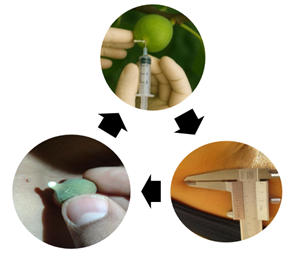
This study aimed to assess and compare the therapeutic effectiveness of fresh latex derived from male and female Ficus carica L trees as a natural treatment for common warts. Fresh latex was collected from immature green fruits of male and female trees and applied topically to 62 warts in 28 patients, three times weekly. Clinical responses were documented over a four-week period. Both types of latex produced measurable therapeutic effects, characterized by progressive shrinking, drying, and detachment of warts. Male latex demonstrated significantly faster action: initial flaking occurred by day 3, with complete resolution observed in most lesions within 12–21 days. Female latex required longer treatment times, with full regression occurring between 15 and 30 days. The superior efficacy of male latex may reflect differences in biochemical composition, including higher or more active concentrations of proteolytic enzymes (e.g., ficin), organic acids, phenolics, triterpenoids, and antioxidant-related proteins such as chitinase and peroxidase. These compounds may synergistically produce antiviral, keratolytic, and cytotoxic effects on human papillomavirus (HPV)-infected keratinocytes. No severe adverse reactions were reported, and only mild discomfort occurred in sensitive areas. This study provides the first comparative evidence supporting fig latex, particularly from male tree, as a simple, inexpensive, and natural therapeutic option for common warts.
Downloads
Downloads
Published
Issue
Section
License
Copyright (c) 2026 The authors

This work is licensed under a Creative Commons Attribution-NonCommercial 4.0 International License.
This journal uses Creative Commons Attribution-Noncommerical 4.0 International License (CC BY-NC 4.0), which permits use, sharing, adaptation, distribution and reproduction in any medium or format, as long as you give appropriate credit to the original author(s) and the source, provide a link to the Creative Commons license, and indicate if changes were made. To view a copy of this license, visit https://creativecommons.org/licenses/by-nc/4.0/.
Copyright of articles
Authors retain copyright of their articles published in this journal.