Design and Analysis of PV Solar Street Lighting systems in Remote Areas: A Case Study
DOI:
https://doi.org/10.63318/waujpasv4i1_01Keywords:
Solar Energy, Street Lighting, Economic Feasibility, Photovoltaic SystemsAbstract
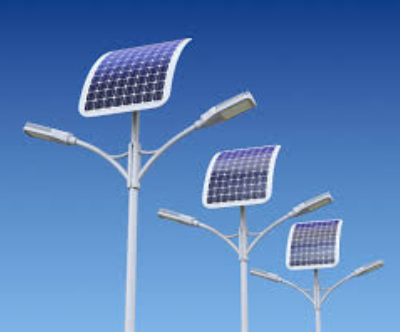
This study presents the design and evaluation of a solar-powered street lighting system for the Brack Alshati – Alshuwayrif road in southern Libya. The aim is to reduce traffic accidents on this vital north-south artery. The analysis was conducted using hourly climate data for the study area. Several software programs were employed, including System Adviser Model (SAM), MS Excel, and DIalux, to assess the technical, economic, and environmental feasibility of the proposed system and to determine the optimal street lighting design that minimizes the cost per unit of electricity production. Electronic devices and sensors were also used to monitor system performance and minimize malfunctions and energy waste. The optimum system included a 530W solar panel, a 2620Wh (12V×220Ah) storage battery, and a 100W LED light. The number of light poles required to meet traffic safety requirements and standard specifications for lighting the 280 km distance between Brack and Alshuwerif cities was estimated at 3,450 poles. The project cost was estimated at 18,265,000 LD, with a levelized cost of energy of 0.604 LD/kWh. The payback period was estimated at 21.9 years, and the annual amount of CO2 prevented from being released into the atmosphere was estimated at 413.5 tons annually, which equivalent to 249,452 LD per year.
Downloads
Published
Issue
Section
License

This work is licensed under a Creative Commons Attribution-NonCommercial 4.0 International License.
This journal uses Creative Commons Attribution-Noncommerical 4.0 International License (CC BY-NC 4.0), which permits use, sharing, adaptation, distribution and reproduction in any medium or format, as long as you give appropriate credit to the original author(s) and the source, provide a link to the Creative Commons license, and indicate if changes were made. To view a copy of this license, visit https://creativecommons.org/licenses/by-nc/4.0/.
Copyright of articles
Authors retain copyright of their articles published in this journal.